
Introduction to West Sumbawa’s Culture
Culture of West Sumbawa. West Sumbawa located on the western part of Sumbawa Island in Indonesia, is a region characterized by its stunning natural landscapes and vibrant cultural heritage. Bordered by the Indian Ocean to the south and the Flores Sea to the north, this area is less frequented by tourists compared to other Indonesian islands, yet it boasts a rich tapestry of traditions and customs that reflect the diverse influences shaping its identity. The geographical positioning of West Sumbawa allows for a unique cultural convergence, drawing on elements from both the Sumbawan indigenous populations and the broader Indonesian cultural milieu.
The culture in West Sumbawa is largely influenced by its indigenous communities, particularly the samawa and nggeto people, who have preserved their ancestral traditions through generations. This strong sense of identity is embodied in various cultural practices, including traditional ceremonies, music, and dance, which serve not only as a source of entertainment but also as a means to express community values and social cohesion. The unique dialects, artisanal crafts, and local cuisines further enrich the cultural landscape, showcasing the creativity and resilience of the people living in this area.
In addition to its indigenous heritage, West Sumbawa has experienced external influences that have significantly shaped its culture over time. Trade routes and migration patterns brought different ethnic groups to the region, fostering a blend of cultural practices. The rich history of the area, punctuated by the presence of historical sites, also serves as a testament to the importance of preserving the culture in West Sumbawa. This multifaceted cultural identity makes West Sumbawa an intriguing subject for exploration and offers invaluable insights into the broader context of Indonesian culture.
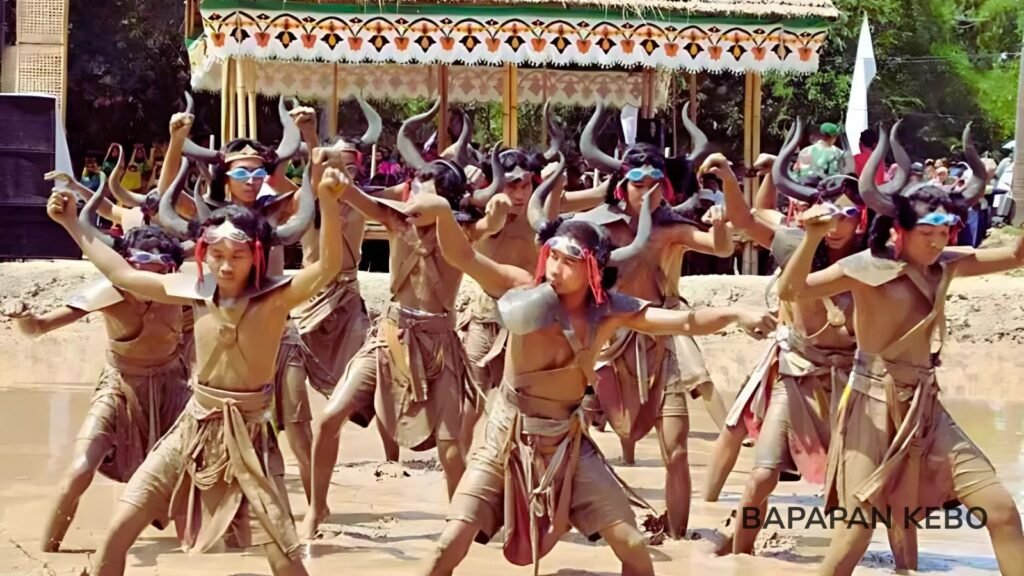
credit to: inforepublik/feryal
Barapan Kebo: The Buffalo Race Tradition
Culture of West Sumbawa is vividly showcased in the traditional buffalo racing event called Barapan Kebo. This vibrant festivity serves as a dynamic platform for community engagement and celebrates the agricultural practices that characterize the region. Barapan Kebo is not merely a race; it embodies the spirit and resilience of the local culture, establishing a strong connection among participants and spectators alike.
Historically, Barapan Kebo traces its roots back to agricultural rituals where buffaloes were seen not only as valuable assets for farming but also as symbolic representations of strength and tenacity in the local culture. The event originally emerged as a way to honor the animals with communal festivities, fostering relationships among villagers as they came together to participate in preparing for the race. This preparation is extensive, involving the selection of buffaloes that are not only fast but also possess a spirited character, which is vital for success in the competition.
Before the race, various rituals are observed, performed by individuals known as sandro, who are believed to possess supernatural abilities. These rituals are integral to the event, as they are thought to ensure the safety and performance of the buffaloes. Such practices highlight the unique blend of spirituality and tradition present in the culture of West Sumbawa, emphasizing how communal events like Barapan Kebo serve not just as entertainment, but also as a means of upholding and reinforcing cultural values. The whole preparation process infuses a sense of unity among residents, fostering a spirit of camaraderie that transcends mere competition.
Overall, Barapan Kebo is a testament to the rich culture in West Sumbawa, encapsulating historical significance, communal interaction, and the deep reverence for the creatures that play a crucial role in the lives of the local community.
Nyorong: The Customary Marriage Ceremony
The Nyorong ceremony serves as a pivotal ritual in the marriage customs of West Sumbawa, encapsulating both cultural significance and community dynamics. This customary marriage practice primarily revolves around the negotiation and exchange of goods between the families of the bride and groom. What makes Nyorong particularly fascinating is the meticulous attention to detail and symbolism surrounding the items exchanged. These items are not merely gifts; they embody deeper meanings and are imbued with cultural values that highlight the importance of family, respect, and unity.
During the Nyorong ceremony, the families engage in discussions regarding the specific goods to be exchanged. This negotiation process is characterized by mutual respect and intention, requiring both sides to acknowledge one another’s cultural norms and traditions. It is not uncommon for the groom’s family to present an array of items, which may include food, textiles, and other culturally significant goods that demonstrate their seriousness and commitment to the union. Such exchanges are rich in symbolism; for instance, certain foods may symbolize fertility, while textiles can signify status and wealth.
The Nyorong ceremony plays a crucial role in fostering relationships between families and strengthening communal ties. By engaging in this dialogue and exchange, families can reinforce their connections, ensuring that their bonds extend beyond the couple and encompass the wider community. This interconnectedness is vital in West Sumbawa’s culture, where marriage is not viewed as just a union between two individuals but as an alliance between families and a celebration of shared cultural heritage. Therefore, the Nyorong ceremony not only marks the beginning of a new chapter in the lives of the couple but also serves as a reaffirmation of the collective identity and values of the community.
Main Jaran: The Equestrian Arts
Main Jaran is a vital aspect of the culture in West Sumbawa, showcasing the extraordinary skill and artistry of this traditional horseback riding performance. Rooted in the region’s history, Main Jaran reflects not only the unique equestrian abilities of the local riders but also their deep connection to the horses, which have been significant throughout the local culture. This captivating display of horsemanship serves as a form of entertainment during various festivities, offering a vibrant experience to both participants and spectators alike.
The performances typically include a range of skills, from intricate riding techniques to artistic displays of control and grace. Riders often showcase their ability to maneuver their horses through complex routines, reflecting months of training and dedication to the craft. The equine partners are not merely animals in these performances; they embody the spirit of the culture in West Sumbawa, emphasizing the symbiotic relationship between humans and horses that has been established over generations.
The cultural significance of Main Jaran extends beyond mere entertainment. Each performance plays a role in local celebrations, festivals, and community gatherings, where the unity and joy of the people of West Sumbawa are celebrated. These equestrian arts serve to strengthen communal bonds, as families and friends come together to witness these dynamic displays. Furthermore, Main Jaran acts as a means of passing down knowledge and tradition, ensuring that younger generations appreciate and engage with their cultural heritage.
In sum, Main Jaran encapsulates the rich culture in West Sumbawa, highlighting the importance of horses in not only entertainment but also as symbols of community and heritage. Through this equestrian tradition, the people of West Sumbawa continue to foster a sense of identity and pride that remains an integral part of their cultural fabric.
Pasaji Ponan: The Rice Planting Festival
The Pasaji Ponan festival in West Sumbawa serves as a vibrant example of the rich cultural traditions interwoven into the agricultural practices of the local community. Celebrated at the onset of the rice cultivation cycle, this festival acts as a thanksgiving ceremony, allowing farmers and their families to express gratitude for the blessings of the land as the rice plants begin to bear fruit. The event is a convergence of tradition and community spirit, as participants come together to honor their connection to the earth.
The rituals performed during Pasaji Ponan are deeply entrenched in the culture of West Sumbawa. They typically include offerings and prayers that invoke blessings for a bountiful harvest and the well-being of the community. It is a time for local farmers to pause and reflect on the hard work invested in planting and nurturing their crops. The act of gathering for such ceremonies reinforces communal ties, fostering a sense of togetherness that is vital in rural agricultural societies. Individuals from different families and backgrounds unite for shared celebrations, transcending the day-to-day challenges of farming life.
Traditional Clothing and Attire of West Sumbawa
The traditional clothing of West Sumbawa is a vibrant expression of the region’s rich culture, showcasing local materials, intricate designs, and significant colors. Unique to this region of Indonesia, the attire often reflects the indigenous people’s cultural identity and their relationship with the environment. Various textile techniques, such as weaving and dyeing, are employed to create garments that are not only beautiful but also steeped in meaning.
One prominent traditional attire in West Sumbawa is the “Sasar,” which is commonly worn by both men and women during ceremonies and celebrations. The Sasar is typically made from woven fabrics adorned with various motifs representing local flora, fauna, and cultural symbols. These motifs carry deep significance, often telling stories of the community’s history and values. The colors of the garments are equally important; vibrant hues like red, blue, and yellow represent different cultural narratives and social statuses within the society.
Women often complement their outfits with various accessories, including necklaces, bracelets, and headpieces crafted from natural materials such as shells and beads. These adornments enhance the overall aesthetic of the attire while also representing heritage and marital status. Men, on the other hand, may wear “Songket,” a traditional cloth hand-woven with gold or silver threads, usually during important celebrations like weddings or religious ceremonies.
The significance of traditional clothing in West Sumbawa transcends mere aesthetics. It serves as a powerful means of cultural expression, fostering a sense of community and belonging among the people. Garments worn during special occasions create bonds and connections while honoring the customs and traditions passed down through generations. The continuing practice of donning traditional attire during significant events reinforces the rich cultural tapestry of West Sumbawa, ensuring that cultural identity remains vibrant and well-preserved.
The Role of Music and Dance in Cultural Celebrations
Music and dance play a pivotal role in the cultural celebrations of West Sumbawa, serving as a vital expression of the community’s identity and heritage. Traditional forms of music are deeply embedded in the social fabric of the region, marking significant life events and communal gatherings. One of the most prominent traditional musical instruments found in West Sumbawa is the ‘sakeco,’ a stringed instrument made from a variety of local materials. Its unique sound and intricate design reflect the local craftsmanship and the artistic heritage of the region.
In addition to the sakeco, the ‘gamelan,’ a traditional ensemble of musical instruments, can also be observed during cultural festivities. The gamelan’s rich, vibrant sounds accompany various forms of dance that are integral to celebrations. Dance styles such as the ‘saman’ and ‘gerak tari’ are often performed during rituals, weddings, and other community events. These dances are characterized by their rhythmic movements and elaborate costumes, representing stories, values, and beliefs of the local people.
Cultural celebrations in West Sumbawa are often marked by elaborate ceremonies where music and dance serve not just as entertainment, but also as a means of reinforcing community ties and preserving traditions. Performances are typically accompanied by storytelling, creating a nuanced interpretation of the local culture that resonates with both participants and observers. Whether during festivals, religious observances, or social gatherings, the synthesis of music and dance fosters a collective cultural identity, allowing the community to celebrate their heritage. The engagement of the youth in these traditions is crucial, ensuring that the vibrant culture of West Sumbawa is passed down through generations, thus maintaining its relevance and vitality.
Cuisine and Culinary Traditions in West Sumbawa
The culinary landscape of West Sumbawa is a vibrant reflection of its rich culture, characterized by an array of traditional dishes that are deeply intertwined with the local community’s identity and festivities. Many of the ingredients used in the local cuisine are sourced from the fertile land and bountiful seas surrounding the region. Staples such as rice, corn, and a variety of vegetables are commonly featured in many meals, while fish and seafood stand out as prominent components due to the region’s coastal geography.
One of the most revered traditional dishes is “Singang,” Fish marinated in a mix of local spices, including turmeric and galangal, chiily, belimbing, asam jawa, and this food is soup. This dish holds cultural significance during communal gatherings and celebrations, where it is served alongside rice and spicy sambal, enriching the dining experience. Another notable dish is “Sate sia bagek,” a fbeef skewers marinated with salt and asam jawa, where its served during celebration or traditional event , the creative culinary techniques present in the region.
The preparation and sharing of food in West Sumbawa serve not just as sustenance, but as an important cultural ritual that fosters community bonds. Food is often central to festive occasions, such as religious ceremonies and family celebrations, showcasing traditional recipes passed down through generations. These culinary traditions reflect the island’s history and heritage, embodying the collective identity of its people. Through various flavors, textures, and communal practices, the cuisine of West Sumbawa plays an indispensable role in preserving the culture, highlighting the rich tapestry of life in this unique part of Indonesia.
Preservation of Cultural Heritage in West Sumbawa
The preservation of cultural heritage in West Sumbawa is increasingly recognized as vital for maintaining the region’s unique identity amidst the pressures of modernization. Local communities, in partnership with government bodies, are taking proactive steps to ensure that traditional practices, languages, and arts are not only preserved but also celebrated. Initiatives range from organizing cultural festivals to establishing cultural centers that serve as hubs for learning and sharing knowledge about local customs.
Community-driven efforts have been pivotal in safeguarding the rich tapestry of traditions that define West Sumbawa. Many villages are actively encouraging younger generations to engage in traditional arts such as weaving, music, and dance. Workshops and mentorship programs are commonly set up by local artisans, ensuring that valuable skills and cultural narratives are transmitted effectively. These grassroots initiatives are complemented by government support, which has introduced funding and resources aimed at cultural preservation. Such collaboration illustrates a holistic approach to maintaining the culture in West Sumbawa, recognizing the importance of both community involvement and formal support systems. Culture of West Sumbawa is one of agenda on your bucket list.
Education plays a crucial role in this preservation journey, as schools increasingly incorporate local culture into their curricula. By educating students about their heritage, these institutions foster a sense of pride and belonging, motivating young people to sustain their cultural practices. Educational programs also emphasize the importance of cultural identity, equipping future generations with the knowledge of their roots and the significance of their customs.
In conclusion, the ongoing efforts to preserve the culture in West Sumbawa highlight a collective commitment to maintaining the region’s identity. By integrating community initiatives, government support, and educational strategies, West Sumbawa aims to navigate the challenges of modernization while ensuring that its rich cultural heritage continues to thrive for generations to come. Indonesian traditions will give more insight for you.
Come and visit us! BOOK NOW